
Adaptable House
Adaptive Columns
Where Structure Meets Human-Centered Design
Concept
Adaptive Columns function as both structural elements and human-centered sculptures, offering ergonomic points for leaning, sitting, stretching, steadying yourself, or working knots out of the body. Their sculptural forms invite touch, interaction, and engagement through shape, contour, and presence.
Design Intent
Traditional supports emphasize utility over beauty. Our approach shapes rest, movement, touch, and handholds into abstract, organic forms that support the body without stigma—enhancing dignity, privacy, and emotional well-being rather than signaling limitation.
User Experience
As you move through the home, sculpted columns offer places to lean, sit, stretch, work out knots, or rest your body when fatigue sets in. You might steady yourself when energy drops, or pause against a column until you’re ready to move again. The support is there when you need it—without calling attention to why.
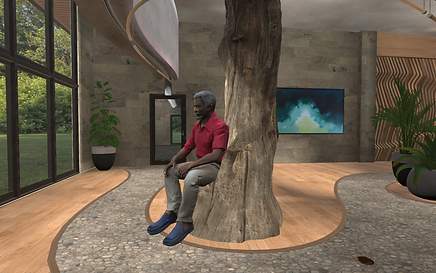
Mary’s Reflection
“There are moments when I’m talking with someone and feel my energy slipping — I don’t want to end the conversation or make it obvious. I can lean into a column, sit, or support my body without explaining myself. I can rest as long as I need to. It lets me stay present instead of pushing through or disappearing.”
Research & Collaboration
The Adaptive Columns project was developed through collaborative Human-Centered Design research at the University of Washington and California State University, Long Beach. Work to date includes conceptual modeling and human factors analysis, establishing a foundation for ergonomic and material refinement.
Next Steps
Ergonomic validation, full-scale prototyping, and material testing are underway. We are seeking funding and manufacturing partners to refine, fabricate, and integrate Adaptive Columns into homes.
Join Us. Make an Impact.
Support innovation that redefines the relationship between architecture, the body, and well-being. Opportunities include:
• Donate – fuel innovation and accelerate development.
• Collaborate – partner on prototyping, manufacturing, or construction.
• Volunteer – contribute your expertise or time to advance the project.
Together, we can turn structure into moments of support, pause, and interaction — weaving mobility and rest seamlessly into the spaces we inhabit.


